Australian casino no deposit bonus codes: a field test of the claim
 Best casinos available in AustraliaUpdated 7 November 2026

WinCrown · Welcome bonus200 free spins on selected slots
Reviews (9,827)
4.9Rating

Australian casino no deposit bonus codes are rarely Australian in any regulatory sense. No online casino holds an Australian licence, so the codes circulating under that label belong to offshore operators that accept Australian traffic. The offers are usually real in structure — a small credit or a set of spins with nothing to pay first — and usually far smaller in value than the headline, because a cash-out cap, a turnover multiple and a short expiry sit underneath. This file takes the offers apart, marks which parts you can verify yourself, and records what you hand over to claim one.
24 SEP 2026
What the word Australian is doing in these listings
In a bonus listing, Australian is a targeting label, not a licensing statement. It can mean any of four things, and the four have very different consequences for the reader.
The fourth is uncommon in results for this phrase, and the third is the one that produces the strangest pages: offers with minimum deposits and cash-out caps that do not correspond to any Australian dollar figure a cashier would actually enforce. Our note on why this search vocabulary developed the way it did is in why Australians say pokies.
So the first finding of this file is a negative one. The word Australian in these listings tells you about the marketing, not about the licence, the entity or the recourse. Everything useful has to come from the terms, and the terms are usually one click further than the page wants you to go. The broader pattern is documented in why bonus lists mislead.
No deposit is not the same as no cost
The money is not the consideration in these offers; the account is. A no-deposit code is a customer acquisition instrument, and the thing it buys is a verified, contactable, marketable account holder. That is worth stating plainly because it changes how the offer should be judged: you are not getting something for nothing, you are trading something non-monetary for a small conditional balance.
What typically changes hands when the code is claimed:
None of that is sinister and most of it is required of any regulated operator. The reason to list it is proportionality: a small conditional balance, capped and time-limited, in exchange for a permanent and verified record in a company you have not yet checked. Whether that trade is worth making depends entirely on who the company is, which is why the entity check comes before the offer comparison and not after.
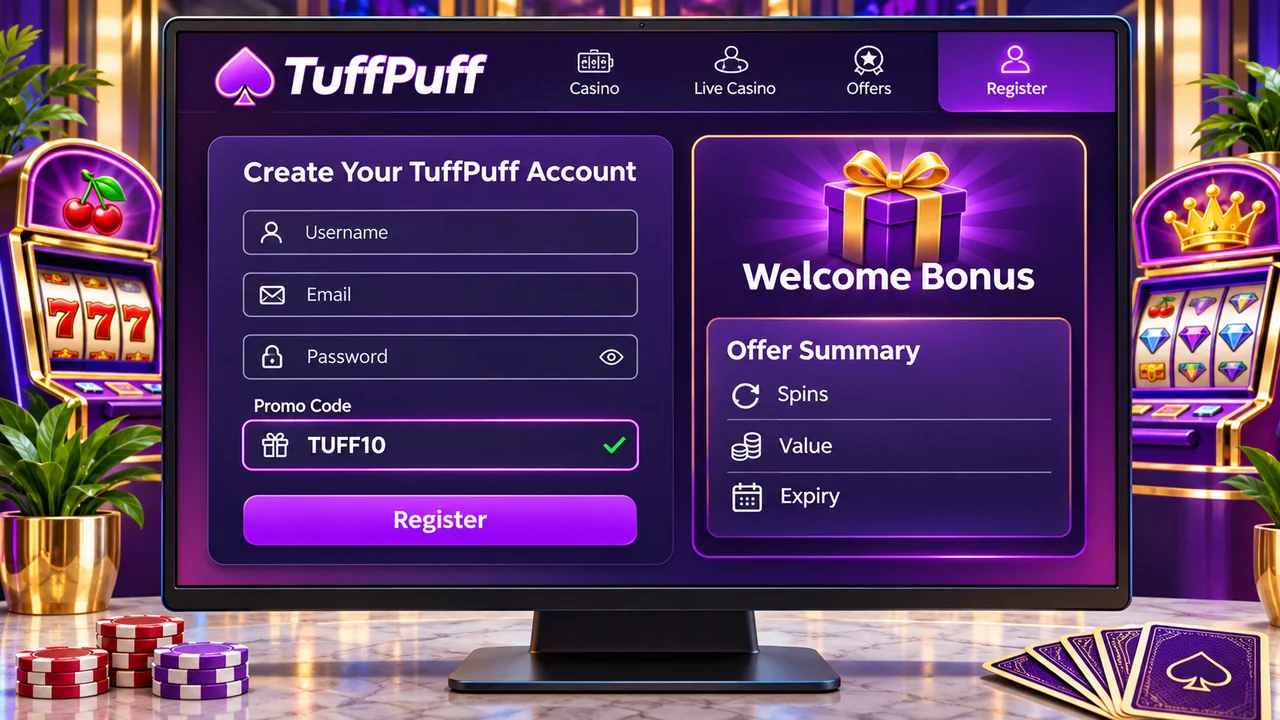
Anatomy of a no-deposit offer
Every offer of this type is built from the same seven components. The headline quotes one of them; the value is decided by the other six.
Read the table as a hierarchy rather than a list. The cap sets the maximum, the wagering decides whether the maximum is reachable, the expiry decides whether it is reachable in time, and the eligibility clause decides whether any of it survives verification. The headline sits outside that chain entirely. Our procedure for grading a headline against its own terms is in audit a bonus headline.
Why the code lists you find are mostly archaeology
Why australian casino no deposit bonus codes go stale so fastPromotions rotate on operator calendars measured in weeks. Listing pages are rebuilt on editorial calendars measured in months, and some are not rebuilt at all. The arithmetic of that mismatch produces pages where most entries refer to campaigns that have closed, and the pages keep ranking because the brand name in the heading has not changed.
Three mechanisms keep dead codes visible. Expired entries get moved into a recently expired section rather than deleted, because the section still attracts the same searches. Codes get copied between listing sites, so a single stale entry propagates and then appears corroborated by repetition. And a page updated for its date stamp alone, with no change to the entries, reads as current while being identical to last quarter's version.
The defence is cheap: treat the listing as a pointer, never as a source. A code is only current if the operator's own promotions page shows it with a date. If the operator's page shows a different offer, the listing is out of date regardless of how recently it claims to have been checked. We date every file we publish and log changes in the corrections register precisely because an undated claim in this field is worthless.
The cap is the ceiling: a worked example
The single most useful calculation for these offers takes a minute. The figures below are illustrative, chosen to show the method, and are not any operator's published terms — substitute the numbers from the offer you are actually reading.
- Start with the spins, not the headline. 50 free spins at a fixed value of 20 cents each is 10 dollars of staked value, whatever the banner says.
- Apply the expected return of the game. On a title designed to return around 96 per cent, 10 dollars of stakes returns about 9.60 dollars on average, which is the honest expected size of the gift.
- Now read the wagering. If winnings carry 40 times turnover and you finish the spins with 12 dollars, that is 480 dollars of staking before a withdrawal is possible.
- Apply the cost of that staking. At a 4 per cent house edge, 480 dollars of turnover has an expected cost of about 19 dollars — more than the balance you are trying to clear.
- Apply the cap last. A maximum cash-out of 50 dollars means that the best case, the rare run where variance carries you through the turnover with money left, is capped at 50 dollars.
- Compare the three numbers: about 9.60 dollars of expected value handed to you, roughly 19 dollars of expected cost to convert it, and a 50 dollar ceiling on the upside.
That shape — a small expected gift, a larger expected cost to liberate it, and a cap on the tail — is typical of the category rather than exceptional. It does not mean nobody ever withdraws from a no-deposit offer; variance guarantees that some do, and those screenshots become the marketing. It means the average outcome is a closed account and a marketing list entry, and the arithmetic says so before you claim anything.
Two inputs above are worth understanding properly rather than taking on trust: what a return percentage does and does not promise, in RTP is a long-run model, and why the shape of the variance decides whether 480 dollars of turnover is survivable on a small balance, in read the volatility shape.
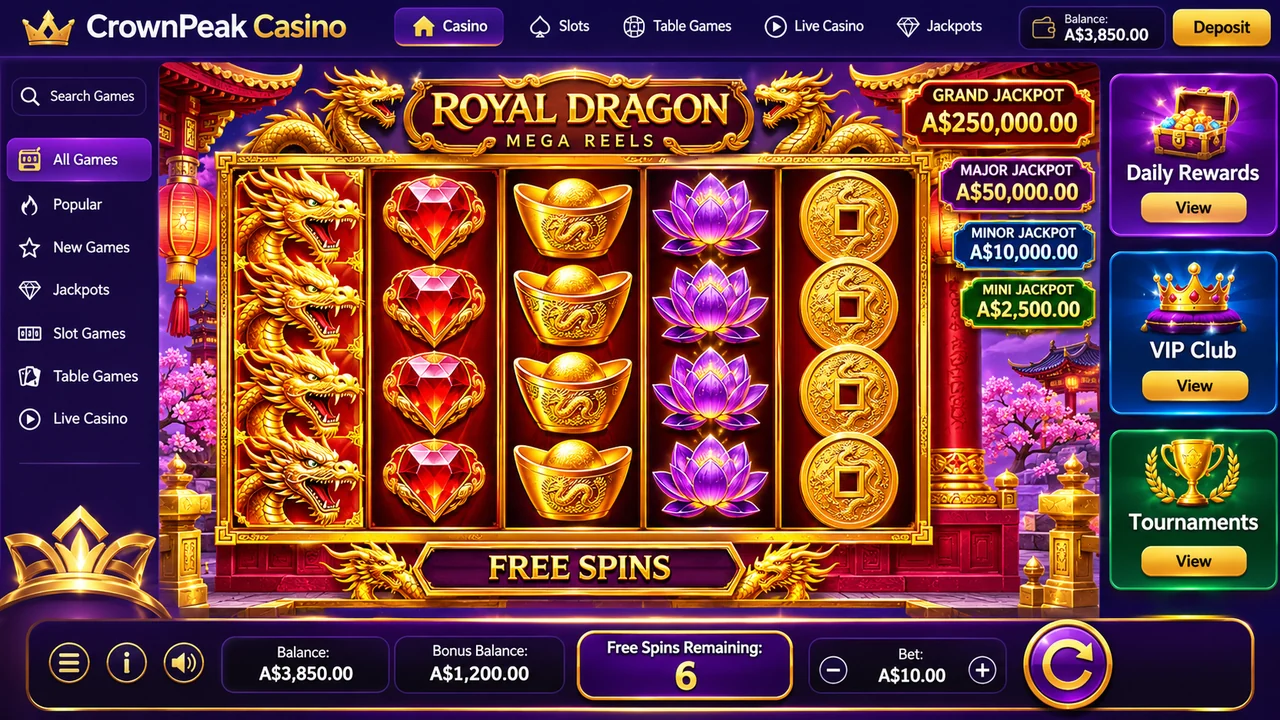
Verification arrives before the money does
A no-deposit offer postpones the identity check rather than removing it. Nothing is needed to start playing, and everything is needed to withdraw, which means the first real test of the account happens at the worst possible moment: when there is a balance you want to move and a clock running on the bonus.
Expect three requests, in roughly this order. Proof of identity, which is a photo document. Proof of address, which has to match the address registered at sign-up, and which is where offers claimed under a mismatched country quietly die. And, above a threshold the operator sets, proof of source of funds, which is unusual for a no-deposit win but does occur where the win is large relative to the account.
The practical move is to do the documentation first, right after registration, while nothing is at stake and no deadline is running. It costs nothing, it surfaces a mismatch before you have spent the spins, and it removes the most common delay from the withdrawal path. The document side is covered in source-of-funds requests, and the timing patterns that turn verification into a brake on cash-out are measured in measure a withdrawal promise.
A provenance test for any code you find
Six steps, in order, and most codes fail inside the first three. The point is not to find a working code; it is to know what you are looking at before an account exists.
- Date the listing. Find an explicit check date on the page. If there is none, the entry is unverifiable and the exercise ends here.
- Find the operator's own promotions page by typing the address, and look for the same code with a date next to it.
- Identify the company. Take the entity name and the licence number from the footer, not the brand name from the banner.
- Resolve the licence against the issuing regulator's public register, searching by company name. A badge image is a claim, not a record.
- Open the full bonus terms from the operator's page and locate the cap, the wagering base, the weighting annex, the expiry and the country clause.
- Screenshot all of it with the date visible, then decide. Everything after this point is irreversible in the sense that an account cannot be un-created.
Step four is the one most readers skip, and it is the one that does the most work. A licence badge is an image file served by the site being assessed; tracing it properly is set out in trace a licence badge, and the equivalent for laboratory seals in verify a testing seal. Where a code survives all six steps, the offer is at least real and current — which is a statement about the code, not a recommendation about the operator.
Free spins: count, value and the game they are locked to
Most no-deposit offers in this category are spins rather than credit, and spins have three properties the headline reduces to one. The count is advertised. The value per spin is set by the operator, almost always at or near the game's minimum stake, and is the number that actually determines size. The game is named by the operator too, and that choice is not neutral.
Pairing a high-variance, feature-dependent game with a short expiry and a high wagering multiple is a combination that reliably produces nothing, and it occurs often enough to be worth checking as a set rather than clause by clause. Claims that a package carries no wagering at all should be tested against the irregular-play wording in the same terms, which is what test no wagering language walks through.
What recourse exists, and where Australian law sits
Under the Interactive Gambling Act 2001, online casino games and online pokies are prohibited services when offered to people in Australia. The Australian Communications and Media Authority enforces that against operators and publishes its actions at acma.gov.au. Licensed wagering and lotteries exist here; a licensed Australian online casino does not, which is the fact that makes the label on these listings misleading.
The consequence that matters for a disputed bonus is narrow and specific. A complaint to the communications regulator concerns a service being offered unlawfully, not the recovery of a balance. Australian consumer bodies do not adjudicate gambling outcomes. So the only recourse on a voided no-deposit win is whatever the operator's own terms name, which is usually an internal review and occasionally an alternative dispute body chosen by the operator. The detail is in online casino law in Australia and the test for an operator's own legality claim in check whether a service is legal in Australia.
Read in that light, a no-deposit code is a low-stakes way to find out how an operator behaves — and that is genuinely useful information, provided you treat the balance as a test rather than as money. Anyone comparing operators on payout claims should also read why those claims are not a single measurable thing, in what most payout actually measures.
Keeping your own archive
Everything on this page assumes one habit: that you keep a record, because the operator keeps one. A folder per operator with five items in it is enough — the offer page with its date, the full terms as they stood when you accepted them, the registration confirmation, the chat transcripts, and a dated note of what you checked and what you found.
The reason is that terms change and many operators reserve the right to amend them without notice. A dated screenshot is the only thing that fixes the version you agreed to, and it has to exist before the dispute, not after. How to assemble that file so it is actually usable is set out in build a complaint file, and the same discipline applied to your own play, rather than to the operator, is in build a neutral session ledger.
What this archive will and will not assert about any operator is governed by our editorial standards and the dating rules in our research method. One closing line, outside the research: gambling is 18+ and costs money on average. Gambling Help Online is free and confidential on 1800 858 858, and the other Australian channels are listed on our support page.
Field questions on no deposit codes
Are there genuinely Australian no deposit bonus codes?
Not in a licensing sense. No online casino is licensed in Australia, so codes advertised as Australian belong to offshore operators targeting Australian traffic or quoting Australian dollars. Licensed Australian wagering and lottery promotions are a separate product with a different regulator behind them.
What does a no deposit offer cost if there is nothing to pay?
An account. Claiming one hands over identity data, a confirmed contact channel, usually marketing consent and a device fingerprint, in exchange for a capped and time-limited balance. The trade is reasonable only once you know which company is on the other side of it.
Why do so many listed codes fail?
Promotions rotate in weeks while listing pages are updated in months, and expired entries are often moved rather than deleted because they still rank. A code is only current if the operator's own promotions page shows it with a date next to it.
Can winnings from a no deposit code be withdrawn?
Only after the turnover requirement is met, within the expiry window, and only up to the maximum cash-out stated in the bonus terms. Identity and address verification happens before the payout, and an address that does not match the campaign's eligibility is where many claims end.
Is 50 free spins a large offer?
Multiply the count by the spin value the operator fixed, which is usually the minimum stake. Fifty spins at twenty cents is ten dollars of staked value, not a large sum, and the expected return on it is smaller still before any wagering is applied.
Does a no wagering claim mean the winnings are free to withdraw?
Read the same terms for a maximum cash-out and for wording about irregular or low-risk play. Those two clauses can limit a no-wagering offer substantially, and the second is broad by design, giving the operator discretion over patterns that are not individually listed.
What the claim leaves out
Commercial language compresses several separate questions into one attractive phrase. Cleobetra restores the missing boundaries: which entity makes the statement, which product version it covers, which event begins and ends the measurement, and which source can reproduce the result.
That distinction matters because a polished interface can make a condition feel self-evident. Evidence works in the opposite direction: it names the condition, records the date and leaves uncertainty visible.
A four-step check
- Capture the exact wording.
Save the page, date, product name and version before interpreting it.
- Define the boundary.
State what starts the event, what ends it and what is actually being counted.
- Find a primary record.
Prefer rules, regulator registers and dated reports over affiliate summaries.
- Record the unresolved part.
An honest “not established” is stronger than a confident guess.